

8th Annual Behavioral Science: Applications in Leadership & Supervision Conference

Submit a Poster
Students & Certified Practitioners Welcome to Apply
A one-day conference featuring leaders in the field of Applied Behavior Analysis, Organizational Behavior Management, and Autism, to discuss critical issues in supervision important to Behavior Analysts (BCBA-Ds/BCBAs, BCaBAs/RBTs) and other professionals, such as psychologists, teachers, and special educators.
Please review Continuing Education, below, if seeking to earn BACB Learning CEUs and/or Psychology CE Credits. (Psychology CE Credits regulations have changed; we are no longer issuing for asynchronous through recordings.)
The conference will be presented in Kansas and through Zoom in the Central Time Zone. An introduction is planned for 8:30 am (CENTRAL) with presentations starting at 8:45 am and ending at 4:45 pm (CENTRAL)
REGISTER in the CCBS Store
Call for Posters – Students & Certified Practitioners Welcome to Apply
Mark P. Alavosius, PhD: Behavior Science: High Reliability Organizations
Mark P. Alavosius, PhD
President, Praxis2 LLC
Graduate Faculty, University of Nevada, Reno
Trustee, Cambridge Center for Behavioral Studies
Behavior Science: High Reliability Organizations
Abstract:
High-reliability organizations (HROs) have emerged across highly technical, and increasingly automated industries (e.g., aviation. nuclear power, communications, railways, and oil field services). We engage with HRO services and deliverables all the time, but many are unaware of their internal operations. They are “black boxes” to most consumers. HROs incorporate complex behavioral systems with many employees working in dynamic, and potentially dangerous environments. Effectively managing contingencies in HROs, to simultaneously promote safe and efficient behaviors is a daunting task. Crew Resource Management (CRM) has emerged in HROs as a highly effective approach to lead, train, and sustain essential skills within work teams operating across a large, sometimes global, workforce. Leaders of HROs need to enable adherence to standard work instructions while, at the same time, encourages adaptive variance in responding to crisis circumstances that depart from normal routines. This talk reviews a 10+ year project to develop OBM for operational integrity within oil and gas exploration and offers a behavior analytic account of leadership of complex systems. Some industries (e.g., medicine) aspire to become HROs and their leaders seek to learn from more established HROs. As consumers adopt new energy sources, (e.g., electric vehicles, solar power), behavioral controls will replicate across HROs offering vast opportunities for behavior analysis in a number of leading work organizations.
Learning Objectives:
At the conclusion of this presentation, participants will be able to:
- Describe the key features of HROs and why they might be an excellent laboratory to study behavior and leadership important to operational integrity.
- Give an example of interlocking behavioral contingencies and how these might be measured in some work process.
- Give an example of how to measure the topography and function of leaders’ behaviors when using Crew Resource Management to lead work teams.
Biography:
Natalie Andzik, PhD, BCBA-D: What Do We Actually Know About Effective Supervision? Separating Evidence from Assumptions in Behavior Analysis
Affiliation:
Associate Professor, Special and Early Education
Northern Illinois University
What Do We Actually Know About Effective Supervision? Separating Evidence from Assumptions in Behavior Analysis
Abstract:
Supervision is central to preparing behavior analysts, yet many regularly recommended supervision practices are based on a surprisingly limited empirical foundation. During this presentation, we will examine what we currently know and do not know about effective supervision. Drawing on a scoping review of the supervision literature, the presenter will highlight the types of research that currently dominate the field, gaps in experimental evidence, and the challenges of drawing broad conclusions from survey- and discussion-based literature. The presenter will address the supervisory relationship, behavior-analytic professionalism and “soft skills,” feedback, individualized supervision, and supervisee well-being and burnout. Attendees will be encouraged to critically evaluate commonly used supervision tools and recommendations, distinguish common practices from empirically supported ones, and consider how behavior analysts can apply the same commitment to measurement, evaluation, and data-based decision-making to supervision that they apply to clinical practice. The presentation will conclude with practical strategies supervisors can use now and priorities for strengthening the evidence base for supervision in the future.
Learning Objectives:
At the conclusion of this presentation, participants will be able to:
- Identify key ethical and professional responsibilities of BCBAs when supervising trainees.
- Recognize common supervision practices that can compromise the quality and effectiveness of supervision.
- Describe strategies for providing structured, individualized, and effective supervision that supports supervisee performance and professional development.
Biography:
Dr. Natalie R. Andzik, PhD, BCBA-D, is an Associate Professor of Special and Early Education at Northern Illinois University and Coordinator of the university’s BCBA program. Her teaching, research, and professional service focus on improving educational and behavioral supports for individuals with extensive support needs, particularly those with developmental disabilities and complex communication needs. Her scholarship centers on augmentative and alternative communication (AAC), applied behavior analysis, paraeducator and practitioner training, school-based behavioral supports, and interventions designed to increase independence and meaningful participation for individuals with significant disabilities.
Dr. Andzik is actively engaged in leadership and service at the university, community, and national levels. She serves in leadership roles within Northern Illinois University, chairs the Practice Advisory Board for Turning Pointe Autism Foundation, and serves as Chair of the TASH Research and Publications Committee. She is also a member of several journal editorial boards and regularly reviews scholarship in special education, behavior analysis, communication, and disability-related fields. Across her work, Dr. Andzik emphasizes translating research into practical, socially meaningful supports for educators, practitioners, individuals with disabilities, and their families.
Summer Bottini, PhD, BCBA-D: Conceptualizing Job Burnout Within a Behavior Analytic Framework
Affiliation:
Psychologist, Complex Behavior Support Program, Marcus Autism Center
Assistant Professor, Emory University School of Medicine
Conceptualizing Job Burnout Within a Behavior Analytic Framework
Abstract:
Burnout is highly prevalent in behavior analytic settings (Bottini et al., 2020; Slowiak & DeLongchamp, 2022; Slowiak & Jay, 2023). Beyond documenting this issue and negative associated outcomes, there is a dearth of research evaluating empirically based actions behavior analysts may take to mitigate burnout. In other professions, interventions for employee burnout primarily comprise person-centered interventions (e.g., mindfulness), which are largely ineffective. Applying a behavior analytic lens, wherein determinants of staff burnout are assessed, may inform development of improved intervention strategies (Bottini et al., 2024). This presentation will discuss a behavior-analytic interpretation of burnout, including how behavior may be conceptualized via environmental stimuli and events. It will then discuss implications for assessing and preventing burnout within this framework, including review of several tools that may be useful to behavior analysts when addressing burnout. Recommendations will be directly relevant to supervising BCBAs or those in leadership roles within clinical organizations.
Learning Objectives:
At the conclusion of this presentation, participants will be able to:
- Describe a behavior analytic conceptualization of burnout.
- Describe a data-driven approach to assessing burnout.
- Identify at least 2 intervention strategies for minimizing burnout among employees.
Biography:
Summer Bottini, PhD, BCBA-D, received her doctorate in clinical psychology from Binghamton University and completed post-doctoral residencies at the Marcus Autism Center and May Institute. Dr. Bottini is an Assistant Professor in the Emory University School of Medicine Department of Pediatrics and a Psychologist in the Complex Behavior Support Program at Marcus Autism Center. Dr. Bottini specializes in the assessment and treatment of externalizing behavior among individuals with developmental disabilities. Additionally, her work is focused on the effective supervision of clinicians to provide optimal care for autistic and neurodivergent individuals. This includes embedding a neurodiversity framework within clinical practices and addressing staff burnout.
Claudia L. Dozier, PhD, BCBA-D: Beyond “We Trained Them”: Building Effective and Sustainable Staff Performance
Affiliation:
Professor and Chair
Department of Applied Behavioral Science
University of Kansas
Beyond “We Trained Them”: Building Effective and Sustainable Staff Performance
Abstract:
Effective staff training is critical to high-quality behavior-analytic services, but competency during training does not necessarily ensure sustained implementation. In this presentation, I will examine staff performance across three interconnected areas: training, supervision, and implementation. First, I will discuss effective, resource-sensitive staff-training strategies, including group behavioral skills training, enhanced written instructions, and teach-back procedures. Second, I will examine barriers influencing supervisors’ use of evidence-based training and supervision practices, including barriers to providing feedback and conducting rehearsal or role-play. Finally, I will present research on differences in staff performance when supervisors or behavior analysts are present versus absent, along with strategies to promote generalization and maintenance. Across these areas, I will emphasize distinguishing skill-acquisition problems from performance problems and considering contingencies affecting both staff and supervisor behavior. Attendees will leave with practical considerations for designing training and supervision systems that are effective, feasible, acceptable, and likely to produce sustained staff performance in applied settings.
Learning Objectives:
At the conclusion of this presentation, participants will be able to:
- Describe at least two evidence-based, resource-sensitive strategies for training staff to implement behavior-analytic procedures.
- Identify common barriers to supervisors’ implementation of evidence-based training and supervision practices and describe strategies for addressing those barriers.
- Identify variables that contribute to differences in staff performance when supervisors are present versus absent and describe possible strategies for addressing these variables.
Biography:
Dr. Claudia Dozier is a Professor and Chair of the Department of Applied Behavioral Science at the University of Kansas and a Doctoral-Level Board Certified Behavior Analyst. Dr. Dozier’s research includes assessment, treatment, and prevention of behavior disorders, as well as schedules of reinforcement and variables that influence preference and reinforcer efficacy. Dr. Dozier has served as faculty supervisor and Co-Director of the Edna A. Hill Child Development Center at the University of Kansas. In addition, she and her graduate students provide consultation services to a large residential program serving adults with intellectual and developmental disabilities. In conjunction with this program, they conduct community-engaged research to address important challenges and barriers in service provision for this population. Dr. Dozier has served as an associate editor for the Journal of Applied Behavior Analysis and serves on the editorial boards of various behavioral journals. In 2020, Dr. Dozier received the Steeples Service to Kansans Award for her service to the people of Kansas as a purposeful extension of her teaching and research. In 2024, she was inducted as an ABAI Fellow in recognition of her outstanding scholarly contributions. Most recently, she was awarded the 2026 APA Division 25 Nathan H. Azrin Distinguished Contributions to ABA Award.
Diana Parry-Cruwys, PhD, BCBA-D, LABA: Dragons, Pizza, or Practice: Evidence-Based Approaches for Promoting Acquisition of Fieldwork Requirements and Hours Accrual in Trainees
Affiliation:
Associate Professor, Regis College
Clinical Consultant, Regis Autism Center
Dragons, Pizza, or Practice: Evidence-Based Approaches for Promoting Acquisition of Fieldwork Requirements and Hours Accrual in Trainees
Abstract:
Assisting trainees in the process of accruing fieldwork hours has received limited attention in the behavior analytic literature but remains a critical issue for trainee success. In order to successfully accrue their fieldwork hours in a timely manner, trainees must understand the fieldwork hours requirements, input their tracked hours correctly, adhere to the fieldwork requirements, and completing monthly documentation. Through this process, supervisors may feel insufficiently prepared to help their trainees due to the complicated nature of fieldwork hours accrual and limited available empirical guidance. In this talk, evidence-based strategies for assisting trainees in acquiring the necessary understanding of the fieldwork requirements and approaches for maximizing trainees’ hours accrual will be reviewed. Approaches involving gamification, friendly class competition, behavioral skills training, and computer-based instruction will be overviewed, with data!
Learning Objectives:
At the conclusion of this presentation, participants will be able to:
- Identify the skills needed for trainees to successfully accrue fieldwork hours.
- Compare effective components of gamified class participation and computer-based instruction.
- Identify an evidence-based strategy for addressing fieldwork hours accrual that could apply to their supervision sessions.
Biography:
Dr. Diana Parry-Cruwys, PhD, BCBA-D, LABA, has over 20 years of experience working with children with autism and related disabilities. She received her master’s degree in applied behavior analysis from Northeastern University and doctorate in behavior analysis from Western New England University. She worked and trained at the New England Center for Children. She is currently an associate professor in the Master of Science in Applied Behavior Analysis program at Regis College and the fieldwork coordinator. She is a clinical consultant to the Regis Autism Center. Her research interests include early intensive behavioral intervention, best educational practices at the graduate level, and supporting neurodivergent learners. She has presented research at numerous national conferences and is published in the Journal of Applied Behavior Analysis, Behavior Analysis in Practice, Behavioral Interventions, Journal of Autism and Developmental Disabilities, Journal of Early Intervention, and Research in Developmental Disabilities. She is on the editorial board of Behavioral Interventions.
Panel Moderator Thomas Zane, PhD, BCBA-D: Leading with Purpose: Your Questions, Panel Insights
Affiliation:
Professor of Practice and the Director of Online Programs in Behavior Analysis
Department of Applied Behavioral Science
University of Kansas
and
H.S. Pennypacker Chair of the Board
Cambridge Center for Behavioral Studies™
Leading with Purpose: Your Questions, Panel Insights
Abstract:
This panel brings together all five conference speakers for an interactive discussion on supervision and leadership from a radical-behavioral perspective. Building on their individual presentations, the panelists will address common themes such as evidence-based strategies for training supervisors, functional leadership practices, ethical and cultural considerations in supervisory relationships, and methods for shaping organizational performance through behavioral principles. Audience members will have the opportunity to pose questions, explore practical applications, and engage directly with experts whose work spans research, applied practice, and organizational systems. The discussion will highlight both the current state of knowledge and emerging directions for behavior analytic approaches to leadership and supervision.
Learning Objectives:
At the conclusion of this presentation, participants will be able to:
- Explain leadership “behavior” from a behavioral perspective.
- Explain supervisor “behavior’ from a behavioral perspective.
- Describe at least 3 specific skills of effective supervision.
- Propose at least 2 behavioral solutions to improve the situation when given a supervision scenario that demonstrates poor supervision.
Panel Moderator Bio:
Dr. Thomas Zane is Professor of Practice and the Director of Online Programs in Behavioral Science in the Department of Applied Behavioral Science at the University of Kansas. He earned his Bachelor’s and Master’s degrees in psychology from Western Michigan University and his doctorate in Applied Behavior Analysis from West Virginia University. Dr. Zane was a Post-Doctoral Research Associate at the University of Massachusetts and a Research Scientist at the Johns Hopkins University Department of Psychiatry. He currently serves as the HS Pennypacker Chair of the Board at the Cambridge Center for Behavioral Studies, an international organization dedicated to advancing behavioral science. Previously, Dr. Zane was President of the Ethics Special Interest Group of the International Association for Behavior Analysis. He is actively involved in human rights committees for organizations serving individuals with autism and other intellectual disabilities. His research interests focus on online learning, evidence-based practices in autism treatment, and the philosophy of science, particularly radical behaviorism. He is especially interested in understanding why some behavior analysts deviate from ethical codes and emphasizes the importance of using scientifically supported treatments across all areas of behavior analysis.
Continuing Education Opportunities
Continuing Education opportunities:
BACB® Learning CEUs and Psychology CE Credits (Includes Licensed psychologists, school psychologists, and EdDs/educational psychologists)
This is a hybrid in-person and virtual conference. Recordings will be available for 14 days. (For those seeking Psychology CE Credits, ONLY live/synchronous study is available.)

BACB® Learning CEUs (6.0 Anticipated): The Cambridge Center for Behavioral Studies is an approved Type 2 CE Provider by the Behavior Analyst Certification Board® (BACB®) and is authorized to offer 6.0 CE units for this conference. Continuing Education Provider No.: OP-04-0058
Attendees must complete all six presentations in-person, virtually or through recordings available for 14 days post-conference for asynchronous home-study* to earn CEs. (Partial credit will not be issued.) An evaluation and code quiz with a 100% score needs to be completed for issuance of continuing education for live/synchronous study by the Monday following the conference. *IF you are seeking to earn BACB® Learning CEUs through watching recordings, you will need to complete a different process, including a question/answer quiz with 3 questions for each presentation. This is a new regulation.

APA Approved Sponsor

Psychology CE Credits (6.0 Anticipated)*: Behavior Analysis & Therapy Partners (BATP) is a co-sponsor of this conference for Continuing Education Credits for Psychologists. Behavior Analysis & Therapy Partners (BATP) is approved by the American Psychological Association to sponsor continuing education for psychologists. Behavior Analysis & Therapy Partners (BATP) maintains responsibility for this program and its content.
In case of a complaint, about Psychology CE Credits, contact Behavior Analysis & Therapy Partners (BATP) directly through Dr. Michael Weinberg at or*******************@***il.com
Attendees must complete all six presentations in-person or virtually from live/synchronous learning to earn Psychology CE Credits. (Partial credit will not be issued.) An evaluation and code quiz with a 100% score needs to be completed for issuance of continuing education. *Although recordings will be available, you may ONLY earn Psychology CE Credits through live attendance and you must complete the attendance verification process by the Monday following the conference at midnight.
Questions or concerns? Contact Rebekah Pavlik at pa****@******or.org.
Participants are responsible for knowing and meeting the CE requirements of their licenses or certifications.
LOCATION
This is a hybrid event with a smaller in-person gathering or a virtual attendance offering.
IN-PERSON:
University of Kansas – Lawrence campus
Lawrence, KS 66045
Parking (Get Google Map):
Allen Fieldhouse Parking Garage
1501 Irving Hill Road
Lawrence, KS 66045
Central District Parking Garage
1631 Ousdahl Road
Lawrence, KS 66045
The first hour is $2.25, and all subsequent hours are $2.00.
VIRTUAL:
Instructions with Zoom link & password to be emailed to registered attendees the week of the conference.
Thank You to Our Gold Sponsor

Thank You to Our Silver Sponsors



Thank You to Our Bronze Sponsor

Become A Sponsor
Invited Speakers

Natalie Andzik, PhD, BCBA-D
Northern Illinois University

Mark P. Alavosius, PhD
Praxis2 LLC University of Nevada, Reno

Summer Bottini, PhD, BCBA-D
Marcus Autism Center
and
Emory University School of Medicine
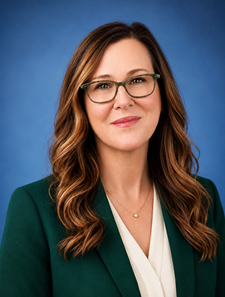
Claudia Dozier, PhD, BCBA-D
Department of Applied Behavioral Science University of Kansas

Diana Parry-Cruwys, PhD, BCBA-D, LABA
Regis College
Plus a Panel with Moderator

Thomas Zane, PhD, BCBA-D
H.S. Pennypacker Chair of the Board, Cambridge Center for Behavioral Studies
University of Kansas