

- This event has passed.
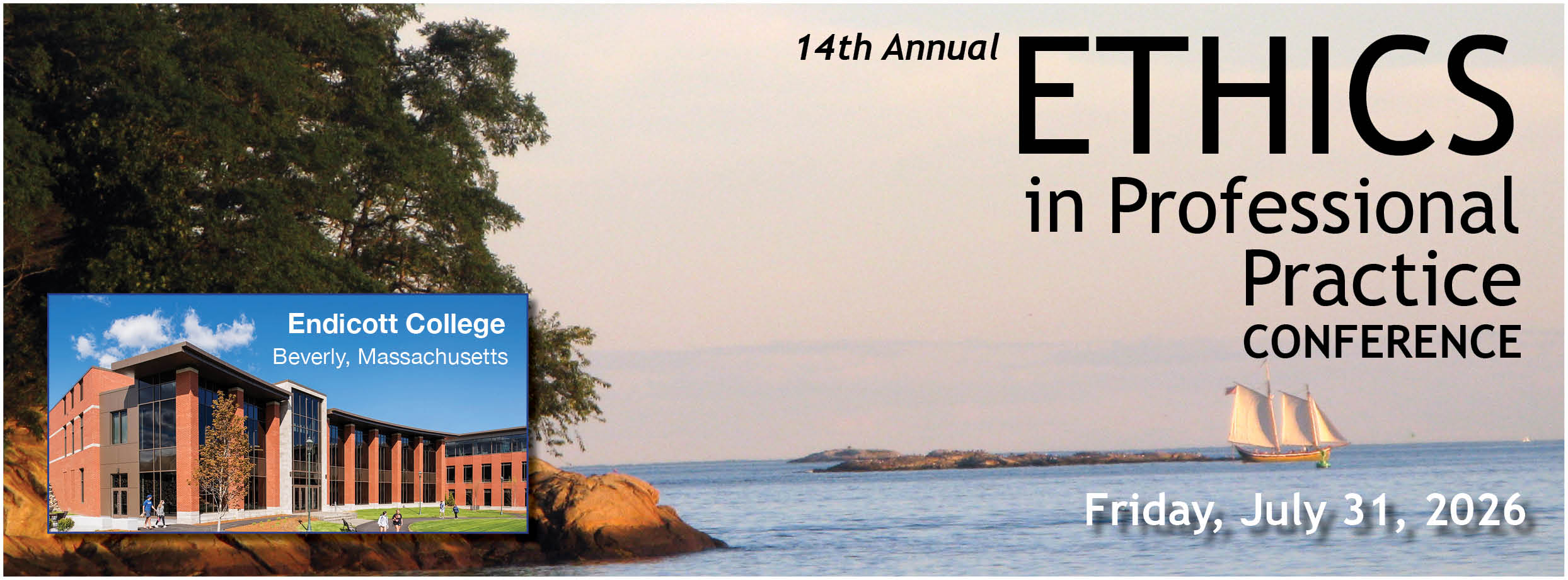
14th Annual ETHICS in Professional Practice Conference
Conference recordings were emailed from ce****@******or.org through Constant Contact on August 13. Contact pa****@******or.org if you did not receive them.
Certificates for those finishing by the Monday, August 3, deadline for live/synchronous attendance were emailed from cc*************@******or.org on Tuesday evening, August 4. Contact pa****@******or.org if you did not receive yours.
This is a one-day conference featuring leaders in the fields of Ethics, Psychology, Business, and Applied Behavior Analysis offered both for in-person attendance or virtually with recordings available for 14 days post-conference. Of benefit to Behavior Analysts, Psychologists, Speech-Language Pathologists, Teachers, Special Education Providers, School Administrators, Students and Parents & Caregivers.
Instructions for both in-person and virtual (Zoom link) instructions will be sent by Wednesday, July 29, to the email address as registered.
Our conference starts at 9:00 am (Eastern/MA timezone) with introductions. Presentations start at 9:15 am and end at 5:15 pm. Recordings to be available for home-study to earn BACB® Learning CEUs. Psychology CE Credits only earned through live/synchronous attendance. (See Schedule)
Call for Posters
Students & Certified Practitioners Welcome
Invited Speakers
SungWoo Kahng, PhD, BCBA-D, LBA: The Threat of Misinformation and Disinformation in Autism Supports to the Applied Behavior Analysis Profession
SungWoo Kahng, PhD, BCBA-D, LBA
Professor, Department of Applied Psychology
Director of Academic Programs in Autism and ABA
Co-Director of Research, Rutgers Center for Adult Autism Services
Rutgers University
The Threat of Misinformation and Disinformation in Autism Supports to the Applied Behavior Analysis Profession
Abstract:
Misinformation and disinformation present significant threats to the integrity and public perception of applied behavior analysis (ABA) interventions to support autistic individuals. These challenges can undermine evidence-based practices, erode trust in professionals, and contribute to the proliferation of pseudoscientific alternatives. This presentation will explore the multifaceted impact of misinformation and disinformation on the field of ABA, including their influence on policy, funding, and the dissemination of effective interventions. Using recent examples, the talk will examine how false narratives about ABA circulate on social media and other platforms, often amplifying misconceptions about the therapy’s goals, methods, and outcomes. Strategies for combating these issues will be discussed, including the importance of coordinated, clear, transparent communication with stakeholders, proactive public engagement, and interdisciplinary collaboration. Additionally, this presentation will highlight the role of behavior analysts in promoting media literacy and advocating for science-based practices. By fostering critical thinking and equipping practitioners with tools to address misinformation, the field can better safeguard its reputation and continue providing effective, ethical care to individuals with autism. This call to action aims to empower ABA professionals to actively counter disinformation while championing the scientific foundation of their work.
Learning Objectives:
At the conclusion of this presentation, participants will be able to:
- Identify the impact of misinformation and disinformation.
- Develop strategies to address false narratives.
- Promote media literacy and professional advocacy.
Presenter Bio:
Dr. SungWoo Kahng is the Past Chair of the Department of Applied Psychology, Director of Academic Programs in Autism and ABA, and a Professor at Rutgers University. Previously, he was an associate professor at the University of Missouri (MU), where he also served as Chair of the Department of Health Psychology, Founding Director of the MU Graduate Programs in Applied Behavior Analysis, and Director of the Applied Behavioral Intervention Service at the MU Thompson Center for Autism and Neurodevelopmental Disorders. Dr. Kahng has held faculty positions in the Department of Behavioral Psychology and worked as a senior behavior analyst on the Neurobehavioral Unit at the Kennedy Krieger Institute. Additionally, he was an associate professor in the Department of Psychiatry and Behavioral Sciences at Johns Hopkins University School of Medicine.
Dr. Kahng earned his Bachelor of Arts in Psychology from Kalamazoo College and his Ph.D. in behavior analysis from the University of Florida. He has served as an Associate Editor and on the Board of Editors for the Journal of Applied Behavior Analysis. He is currently on the Board of Editors for Behavioral Intervention and the Review Journal of Autism and Developmental Disorders.
A New Jersey Licensed Behavior Analyst and Board Certified Behavior Analyst – Doctoral, Dr. Kahng is a Fellow of the Association for Behavior Analysis International, a Trustee of the Cambridge Center for Behavioral Studies, and a Trustee for the Autism MVP Foundation. He has been the President of the Board of Directors of the Behavior Analyst Certification Board, the Applied Representative to the Executive Council of the Association for Behavior Analysis International, a member of the Scientific Council of the Organization for Autism Research, and a Past President of the New Jersey Association for Behavior Analysis.
Dr. Kahng received the 2003 B.F. Skinner New Researcher Award from Division 25 of the American Psychological Association. His research and clinical work focus on assessing and treating complex problem behaviors in individuals with developmental disabilities. His broader research interests include employment and college supports for adults with autism spectrum disorder, as well as obesity and aging. Dr. Kahng has mentored numerous undergraduate, master’s, and predoctoral students, as well as postdoctoral fellows, and has co-authored over 100 peer-reviewed articles and chapters.
Eric V. Larsson, PhD, LP, LBA, BCBA-D: What Is the Ethical Level of Intensity of Treatment, and How Are the Parents to Know?
Eric V. Larsson, PhD, LP, BCBA-D
Executive Director, Clinical Services
The Lovaas Institute for Early Intervention
What Is the Ethical Level of Intensity of Treatment, and How Are the Parents to Know?
Abstract:
A large body of research has established that intensive behavioral health treatment and intensive education produce meaningful benefits for a variety of needs. Early Intensive Behavioral Intervention (EIBI) is one such treatment that is well established to produce medically necessary benefits for autism. AS a result, ABA treatment providers are developing outcome-oriented programs to maximize the benefits. However the outcomes for EIBI are not universal for all children. How are parents to know whether their investment of time, effort, and cost will result in the optimal benefit to their children? One variable that impacts the effectiveness of EIBI are the coverage benefit limitations imposed by health insurance benefits managers, MCO’s, and state Medicaid agencies. How are parents to know whether the treatment plans offered by the provider and approved by the payor are putting their interest in achieving their individual child’s best outcomes ahead of the providers and the payors financial interests? This presentation will describe an evaluation process that is designed to empower the parents to make the best decisions for their children, thereby ensuring genuine informed consent.
Learning Objectives:
At the conclusion of this presentation, participants will be able to:
- Identify the findings and challenges in the current evidence base on treatment intensity in EIBI.
- Interpret how intensity impacts improvement in generalized behavior as well as skill acquisition in EIBI.
- Analyze real-world variables that influence treatment intensity and outcomes.
Presenter Bio:
Dr. Larsson is the Executive Director of Clinical Services at the Lovaas Institute, where he implements and researches the renowned program of intensive early intervention services with families of children who suffer from autism, with an emphasis on parent training, dynamic program management, natural social language development, and schedules of reinforcement. His Language Matrix Curriculum has been translated into five languages.
He is the past President of the Association for Science in Autism Treatment, and serves on the Board of Directors of the Council of Autism Service Providers, the Fundación Lovaas in Barcelona, the Reach Autism Foundation, the Minnesota Northland Association for Behavior Analysis, and Erik’s Ranch and Retreats. He is the Chair of the Standards Committee of the Autism Commission on Quality. He has served on the Behavior Analyst Certification Board, and as Associate Research Director of the NIMH Multi-site Replication Study of the UCLA Young Autism Project.
He actively supports advocacy efforts to increase access to ABA services for autism and consults internationally on clinical programming and evaluation standards, including with the Zentrum für Kinder- und Jugendpsychiatrie of Zürich, Switzerland, the Oregon Health Evidence Review Commission’s Evidence-based Guidelines Subcommittee, and the Province of New Brunswick, Canada.
He authored a Minnesota law for Medicaid coverage of autism treatment. He advised the California Association for Behavior Analysis Task Force on Guidelines for ABA Services. He participated in the development of the Behavior Analyst Certification Board Guidelines for Health Plan Coverage of ABA Treatment for Autism, and the Minnesota Northland Association for Behavior Analysis Standards of Practice for ABA.
Anna M. Linnehan, PhD, BCBA-D, LABA (MA): Artificial Intelligence in Behavior Analysis: Opportunities, Risks, and Responsible Use Abstract
Anna M. Linnehan, PhD, BCBA-D, LABA (MA)
Assistant Professor, Applied Behavioral Science
Institute for Applied Behavioral Science
Endicott College
Artificial Intelligence in Behavior Analysis: Opportunities, Risks, and Responsible Use
Abstract
Artificial intelligence (AI) is rapidly becoming integrated into behavior-analytic practice and education, offering new opportunities for support and efficiency while raising important questions about responsible use. This presentation examines the use of AI in behavior analysis, including discussion of relevant considerations from the BACB Ethics Code. The talk reviews common risks associated with large language models, including bias, data privacy concerns, and the illusion of expertise, and considers how these risks may emerge in professional practice. The presentation also illustrates practical applications of AI in behavior analysis, including supervision, training, and professional communication, while emphasizing the behavior analyst’s role in evaluating AI-generated content and ensuring its responsible use.
Learning Objectives:
At the conclusion of this presentation, participants will be able to:
-
Describe common opportunities and limitations associated with the use of artificial intelligence in behavior-analytic practice and education.
-
Identify potential risks associated with large language models, including bias, data privacy concerns, and the illusion of expertise.
-
Evaluate strategies for the responsible use of AI-generated content in behavior-analytic professional activities.
Presenter Bio:
Anna Linnehan, Ph.D., BCBA-D, LABA (MA), is an Assistant Professor of Behavioral Science at Endicott College. She specializes in constructional and nonlinear contingency analyses of complex behavior and emotions, with a focus on assent-based practice. Her work integrates instructional design and AI-supported training to improve practitioner decision-making and communication. Dr. Linnehan has published and presented widely, co-authored Decisions and Judgments in Ambiguous Situations: A Conceptual Introduction to Signal Detection Theory, and served as an editor and contributing author on Perspectives on Neurodiversity and Belonging: Reflections for Behavior Analysts. She also contributes to professional service through editorial work and advisory roles in behavior analysis.
Richard Kubina, Jr., PhD, BCBA-D: The Shame That Never Ended: The Ethics of Effective Education
Richard Kubina, Jr., PhD, BCBA-D
Professor of Special Education
The Pennsylvania State University
The Shame That Never Ended: The Ethics of Effective Education
Abstract:
More than forty years ago, B. F. Skinner called the state of American education a “shame.” Skinner argued students could learn far more, in less time, using proven methods that the field declined to adopt. The current presentation argues that the selection of an instructional method is fundamentally an ethical matter, and that the persistence of ineffective practice represents an ongoing failure to honor what the Association for Behavior Analysis once termed the right to effective education. Drawing on Project Follow Through and a half-century meta-analysis of Direct Instruction, alongside decades of Precision Teaching outcomes, the talk demonstrates that powerful, validated instructional technologies already exist and reliably produce large gains, especially for the students most at risk. Yet these tools remain marginalized and abandoned frequently for ideological rather than empirical reasons. Crucially, there has never been a “golden age” of education from which the field has declined. The same problems recur because education has not yet matured into a profession that reveres evidence. Participants will leave with a framework for treating effective instruction as an ethical obligation and with concrete steps for advancing evidence-based practice.
Learning Objectives:
At the conclusion of this presentation, participants will be able to:
-
Explain why the selection of instructional methods constitutes an ethical issue, using the “right to effective education” framework and contemporary behavior-analytic ethics standards.
-
Summarize the empirical evidence that effective, scientifically validated instructional technologies already exist including findings from Project Follow Through, the Stockard et al. (2018) Direct Instruction meta-analysis, and Precision Teaching outcomes.
-
Identify at least three systemic or ideological barriers to adopting effective practices and describe specific actions practitioners can take to advance evidence-based instruction.
Presenter Bio:
Rick Kubina is a professor, researcher, author, and entrepreneur whose career sits at the intersection of education, behavior science, and technology. Since joining Penn State University in 2000, Rick has taught courses in reading, single-case design, applied behavior analysis, critical thinking, and instructional design. Over the years, he has also mentored doctoral students across the United States and internationally, many of whom have gone on to make significant contributions in research, education, and clinical practice.
An expert in Precision Teaching and Instructional Design, Rick has authored multiple books, published widely in scientific journals, and worked closely with graduate students and practitioners. His teaching and research emphasize science-based methods, engaged practice, and data-driven decision-making, equipping future educators and clinicians with practical tools that create lasting change.
In recent years, Rick has expanded his focus to technology and innovation. His work includes studies on human–robot interactions and the ways robotics can support students with disabilities. He is also pioneering the use of AI-powered knowledge graphs for literacy and clinical decision-support tools for behavioral healthcare, while developing parent-friendly guides to bring behavior science into everyday life.
Mariel Fernandez, MS, BCBA, LBA: At a Crossroads: Protecting ABA Through Policy, Integrity, and Advocacy
Mariel Fernandez, MS, BCBA, LBA
Vice President of Government Affairs
The Council of Autism Service Providers
At a Crossroads: Protecting ABA Through Policy, Integrity, and Advocacy
Abstract:
Emphasizing ethics and integrity in applied behavior analysis (ABA) is more crucial now than ever due to increased regulatory scrutiny, evolving payer expectations, and heightened public attention. In this shifting policy landscape, ethical obligations are not separate from leadership responsibilities—they are the foundation of them. For experienced Board Certified Behavior Analysts (BCBAs) and established leaders, ethical decision-making must actively shape how organizations interpret medical necessity, structure supervision, ensure documentation integrity, and respond to external pressures from regulators and payers.
This session examines how core ethical principles intersect with real-world challenges, including ongoing federal audits of Medicaid ABA programs by the Health and Human Services Office of the Inspector General (HHS OIG), fraud, waste, and abuse concerns, and changing coverage policies.
Beyond compliance, the session emphasizes ethical leadership at scale: fostering organizational cultures of transparency, advancing documentation practices that are both accurate and meaningful, and guiding teams through complex decisions that prioritize client outcomes while remaining defensible under scrutiny. The discussion will also address the ethical imperative for seasoned leaders to engage in policy and systems-level advocacy to protect access to medically necessary services, particularly within public programs such as Early and Periodic Screening, Diagnostic and Treatment (EPSDT).
At this crossroads, established ABA leaders are called not only to navigate complexity but also to model and operationalize integrity—ensuring that the field’s response to increased oversight strengthens, rather than diminishes, its commitment to ethical, client-centered care.
Learning Objectives:
At the conclusion of this presentation, participants will be able to:
-
Explain how evolving regulatory expectations and payer policies intersect with the ethical obligations of behavior analysts, particularly in areas such as medical necessity determinations, supervision, and documentation practices.
-
Describe complex, real-world scenarios in which administrative, financial, or systemic pressures may conflict with ethical standards, and determine strategies for maintaining clinical integrity and accountability.
-
Describe ethical leadership strategies to strengthen organizational culture, improve documentation defensibility, and advance advocacy efforts that protect access to medically necessary ABA services within public and private systems.
Presenter Bio:
Mariel Fernandez, M.S., BCBA, LBA (Tx) is the Vice President of Government Affairs at the Council of Autism Service Providers (CASP) and serves as its primary representative on the ABA Coding Coalition. She began working in behavior analysis in 2001 and earned her master’s degree in applied behavior analysis from Auburn University in 2004. Her experience spans clinical operations, compliance, regulatory affairs, and public policy.
Mariel currently serves as the presiding officer of the Texas Department of Licensing and Regulation (TDLR) Behavior Analyst Advisory Board (BAAB). She is a former Chair of the Metrocare Services Public Advisory Committee and Past President of the Texas Association for Behavior Analysis Public Policy Group (TxABA PPG). She also serves as a subject matter expert for the Policy Council on Children and Families, focusing on the Autism Services benefit within Texas Medicaid, and works closely with federal and state regulatory agencies and legislative offices.
Mariel received the BlueSprig CEO Award in 2020 for her leadership in preparing the organization to transition to telehealth during the COVID-19 pandemic. In 2022, she was part of the TxABA PPG team recognized with the Autism Law Summit Implementation Award. In 2026, she was honored with the Association of Professional Behavior Analysts (APBA) Gerald Shook Award, recognizing her advocacy to improve access to services and strengthen the value of professional credentials in applied behavior analysis.
Kristin Foley, PhD, BCBA-D, LBA, Chair: Panel on Effective Collaboration: Extensions to Service Provision, Supervision, and Interdisciplinary Coordination of Care
Panel Chair: Kristin Foley, PhD, BCBA-D, LBA
Senior Director, Online Instruction and Training
Institute for Applied Behavioral Science
Endicott College
Panel on Effective Collaboration: Extensions to Service Provision, Supervision, and Interdisciplinary Coordination of Care
Abstract:
Effective collaboration is increasingly essential as behavior analysts work across homes, schools, clinics, hospitals, and community settings. While collaboration is often emphasized as a professional value, ethical challenges frequently arise when coordinating care among multiple providers, balancing professional expertise with humility, navigating disagreements about treatment recommendations, and advocating for clients while maintaining productive professional relationships. This panel discussion will explore the ethical dimensions of interdisciplinary collaboration, including communication practices that support continuity of care, strategies for reducing burden on families who serve as coordinators among providers, and approaches for addressing conflicts between behavioral recommendations and those of other disciplines. Panelists will discuss the role of cultural humility, supervision practices that promote collaborative repertoires, and common barriers that interfere with effective interdisciplinary partnerships. Through discussion of real-world examples and practical recommendations, attendees will gain strategies for fostering ethical, client-centered collaboration that enhances service delivery while respecting the expertise and perspectives of all stakeholders involved in care.
Learning Objectives:
At the conclusion of this presentation, participants will be able to:
- Identify common ethical challenges that arise during interdisciplinary collaboration and coordination of care.
- Describe strategies for responding professionally and ethically when recommendations from other providers conflict with behavioral principles or available evidence.
- Apply collaborative practices that promote client-centered decision making, cultural humility, and continuity of care across service settings.
Presenter Bio:
Dr. Kristin Foley is Senior Director of Online Instruction and Training at the Institute for Applied Behavioral Science. Her interests within behavioral science include higher education, ethics, collaboration, ABA in public schools, fluency-based instruction, OBM, and staff training. Dr. Foley has published in multiple journals and book chapters, and has presented her work nationally and internationally for over two decades.
Stacha C. Leslie, PhD, BCBA-D, Panelist: Panel on Effective Collaboration: Extensions to Service Provision, Supervision, and Interdisciplinary Coordination of Care
Stacha C. Leslie, PhD, BCBA-D
Senior Educational Coordinator and Assistant Director
The Faison Center’s Peninsula School Campus
Adjunct Faculty, University of North Texas
Presenter Bio:
Dr. Stacha Leslie is the Senior Educational Coordinator and Assistant Director at The Faison Center’s Peninsula School Campus, as well as adjunct faculty at the University of North Texas. She holds a master’s degree in special education with a concentration in Behavior Analysis from the University of North Texas, a master’s degree in Autism Spectrum Disorders from Queen’s University Belfast, and a Ph.D. in Behavioral Psychology from the University of Kansas.
Dr. Leslie is a BCBA-D with more than 15 years of experience and has supported children and adults with autism and intellectual and developmental disabilities across school, home, and community settings. Her work centers on training direct support staff, caregivers, and educators within the public and private school setting to implement behavior‑analytic and evidence‑based instructional practices. She is deeply committed to strengthening multidisciplinary collaboration to elevate outcomes for learners with diverse needs and is now focusing her efforts on bridging educational and psychological services to create a more effective, streamlined case‑management process for students with profound disabilities.
Lori Mastrogiacomo, PhD, BCBA-D, LBA (CT/NY), Panelist: Panel on Effective Collaboration: Extensions to Service Provision, Supervision, and Interdisciplinary Coordination of Care
Lori Mastrogiacomo, PhD, BCBA-D, LBA (CT/NY)
Adjunct Professor, Institute for Applied Behavioral Science
Endicott College
Founding Director, Gold Coast Children’s Center
Presenter Bio:
Dr. Lori Mastrogiacomo is an adjunct professor at Endicott College and founding director at Gold Coast Children’s Center in Darien, CT. She is a Board Certified Behavior Analyst – Doctoral, and a Licensed Behavior Analyst in CT and NY. She has been named an Advisor of the Cambridge Center for Behavioral Studies. Dr. Mastrogiacomo has worked with children, adolescents, and adults with autism and behavioral challenges in home, school and community settings since 1995. She is a Past President of the New Jersey Association for Behavior Analysis (NJABA), and a Past President of the Autism SIG of the Association for Behavior Analysis International (ABAI). Dr. Mastrogiacomo has published her research in peer-reviewed journals and presented at numerous national and international conferences. Her thesis research addressed teaching pediatric medical residents to identify early signs of autism, and her doctoral dissertation research focused on increasing early social and language skills in infants. Other research interests include effective inclusion of individuals with developmental disabilities in school and community settings, effective collaboration across disciplines, parent training, and compassionate care.
Britany Melton, PhD, BCBA-D, LBA, Panelist: Panel on Effective Collaboration: Extensions to Service Provision, Supervision, and Interdisciplinary Coordination of Care
Britany Melton, PhD, BCBA-D, LBA
Director of Research and Training
Journeys Autism Center
Adjunct Professor, Endicott College
Presenter Bio:
Britany Melton is the Director of Research and Training at Journeys Autism Center in Mishawaka, Indiana and Adjunct Faculty at Endicott College. She earned a Master’s degree in Special Education and Applied Behavior Analysis from Endicott College in 2015, followed by a Doctoral degree in Applied Behavior Analysis from Endicott College in 2025. During her doctoral training, Dr. Melton received the Excellence in Research and Conceptual Work award and was honored with the Dissertation of the Year Award in 2025. She has published peer‑reviewed journal articles and authored book chapters focused on compassionate care and evidence‑based practices in Applied Behavior Analysis. Dr. Melton is deeply committed to advancing scientifically grounded, humane approaches to education and service delivery.
Continuing Education Opportunities
Continuing Education opportunities:
BACB® Learning CEUs and Psychology CE Credits (Includes Licensed psychologists, school psychologists, and EdDs/educational psychologists)
This is a hybrid in-person and virtual conference. Recordings will be available for 14 days. (For those seeking Psychology CE Credits, ONLY live/synchronous study is available.)

BACB® Learning CEUs (6.0 Anticipated): The Cambridge Center for Behavioral Studies is an approved Type 2 CE Provider by the Behavior Analyst Certification Board® (BACB®) and is authorized to offer 6.0 CE units for this conference. Continuing Education Provider No.: OP-04-0058
Attendees must complete all six presentations in-person, virtually or through recordings available for 14 days post-conference for asynchronous home-study* to earn CEs. (Partial credit will not be issued.) An evaluation and code quiz with a 100% score needs to be completed for issuance of continuing education for live/synchronous study by the Monday following the conference. *IF you are seeking to earn BACB® Learning CEUs through watching recordings, you will need to complete a different process, including a question/answer quiz with 3 questions for each presentation. This is a new regulation.

APA Approved Sponsor

Psychology CE Credits (6.0 Anticipated)*: Behavior Analysis & Therapy Partners (BATP) is a co-sponsor of this conference for Continuing Education Credits for Psychologists. Behavior Analysis & Therapy Partners (BATP) is approved by the American Psychological Association to sponsor continuing education for psychologists. Behavior Analysis & Therapy Partners (BATP) maintains responsibility for this program and its content.
In case of a complaint, about Psychology CE Credits, contact Behavior Analysis & Therapy Partners (BATP) directly through Dr. Michael Weinberg at or*******************@***il.com
Attendees must complete all six presentations in-person or virtually from live/synchronous learning to earn Psychology CE Credits. (Partial credit will not be issued.) An evaluation and code quiz with a 100% score needs to be completed for issuance of continuing education. *Although recordings will be available, you may ONLY earn Psychology CE Credits through live attendance and you must complete the attendance verification process by the Monday following the conference at midnight.
Questions or concerns? Contact Rebekah Pavlik at pa****@******or.org.
Participants are responsible for knowing and meeting the CE requirements of their licenses or certifications.
Location - Endicott College, Beverly, MA and online
This is a hybrid event with a smaller in-person gathering or a virtual attendance offering. Our in-person event will be held on the beautiful campus of Endicott College in Beverly, Massachusetts.
For In-Person:
Event Venue: Klebanoff Auditorium, Endicott College. (Located in the main lobby of the Gerrish School of Business/Ginger Judge Science Center.) Interactive Campus Map
Enter the Endicott College main entrance and follow the road up the Hill.
For virtual attendance:
The Zoom meeting link and access information will be sent from be**********@***il.com the week of the conference. IF you do not receive, email pa****@******or.org.
Thank You to Our Gold Sponsors


Thank You to Our Silver Sponsors


Thank You to Our Bronze Sponsors


Get Schedule
Get Presenter Bios, Abstracts & Continuing Education PDF
Become A Sponsor
Call for Posters
Invited Speakers

SungWoo Kahng, PhD, BCBA-D, LBA
Rutgers University

Eric Larsson, PhD, LP, BCBA-D
Lovaas Institute for Early Intervention

Anna Linnehan, PhD, BCBA-D, LABA
Endicott College

Richard Kubina Jr., PhD, BCBA-D
Penn State College of Education
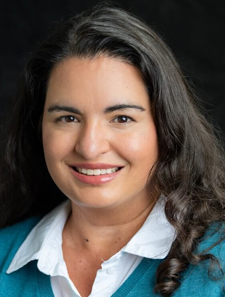
Mariel Fernandez, MS, BCBA, LBA
The Council of Autism Service Providers

Kristin Foley, PhD, BCBA-D, LBA
Endicott College

Stacha C. Leslie, PhD, BCBA-D
The Faison Center’s Peninsula School Campus University of North Texas
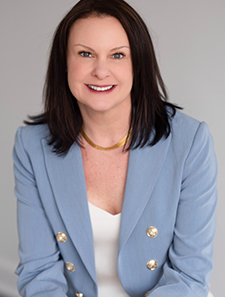
Lori Mastrogiacomo, PhD, BCBA, LBA
Endicott College Gold Coast Children’s Center

Britany Melton, PhD, BCBA-D
Director of Research and Training Journeys Autism Center Endicott College
with Introduction by

Rob Holdsambeck, EdD, LCP, BCBA-D
Executive Director, Cambridge Center for Behavioral Studies™